
How to Find the Right Web Designer for Your Business
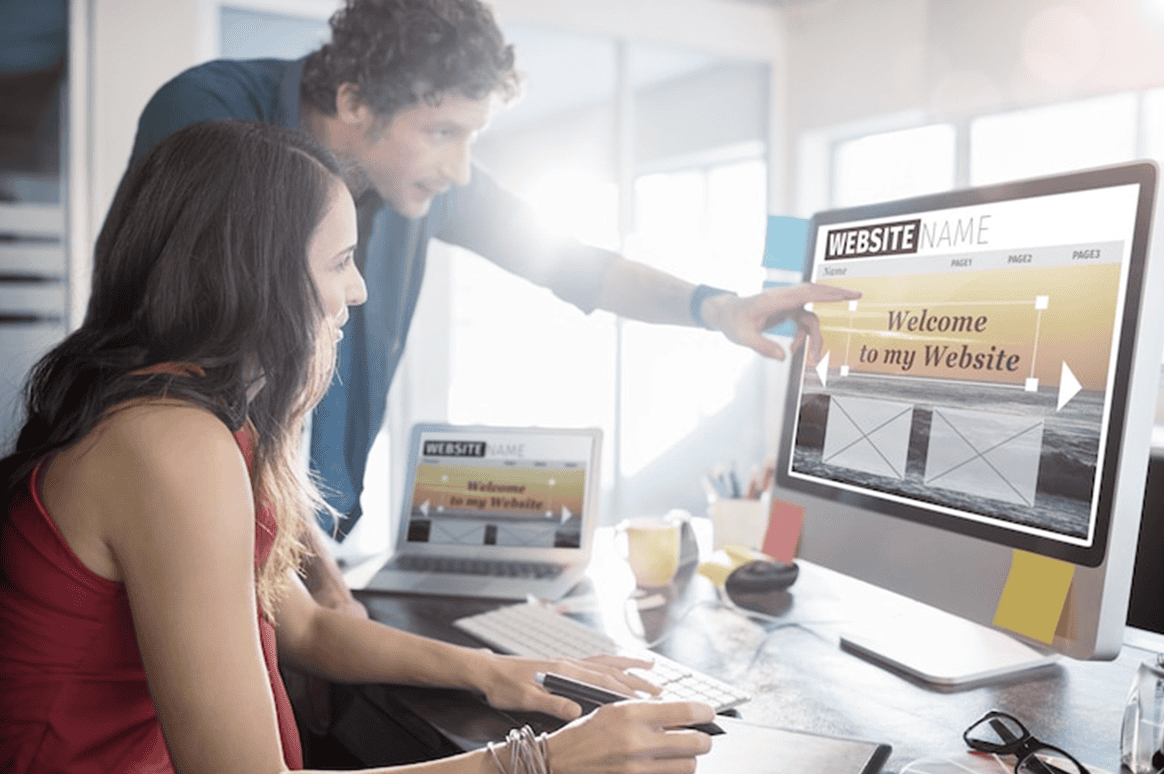
So, you’re finally ready to take the plunge and either build a brand-new website for your business or revamp the one you’ve got. First of all, go! That’s a big deal. Whether you’re running a cozy little coffee shop downtown, managing an e-commerce store that ships to all 50 states.
Let’s be real for a sec: your website is your first impression these days. People will often judge your entire business based on how your homepage looks. Yeah, no pressure. But don’t worry. That’s where a professional web designer comes in.
This guide is here to help you figure out how to find the right web designer for your business without feeling overwhelmed or throwing your laptop across the room. I’ve got you covered with tips, questions, red flags to watch out for, and what to expect when you finally find your person.
Why a Good Web Designer Matters
Before we jump into the nitty-gritty of finding someone, let’s quickly talk about why this even matters.
A good web designer isn’t just someone who makes your site “look pretty.” They’re part artist, part tech wizard, and part marketing strategist. A strong website:
- Makes your business look legit and trustworthy
- Helps you show up in Google searches
- Makes it super easy for your customers to find what they need
- Converts visitors into actual buyers or clients
Basically, the right designer can make your life easier and your business better.
What to Look for in a Web Designer
Alright, now that we’ve hyped up the importance of hiring someone solid, here’s what to actually keep your eyes open for.
1. Experience and Expertise
Sure, everyone has to start somewhere, but when it comes to your business’s online face, you want someone who knows what they’re doing. Ask how long they’ve been designing, what platforms they use (like WordPress, Shopify, Webflow, etc.), and if they’ve worked with businesses similar to yours.
2. Style Match
Every designer has a certain vibe. Some are super modern and minimalist; others love bold colors and funky animations. Make sure their style lines up with your brand. If you run a down-to-earth, all-natural skincare business, you don’t want a designer whose portfolio screams neon and techno beats.
3. Good Communication
This one is HUGE. You want someone who responds quickly, answers your questions clearly, and is easy to talk to. If a designer is flaky during the “getting to know you” stage, that’s probably a bad sign for the rest of the project.
4. Realistic Prices
The budget is important—we all know that. But cheap doesn’t always mean good. Watch out for designers offering full sites for next to nothing. You might end up with a site that crashes every time someone visits it. Instead, look for fair pricing and transparency. A good designer will break down what you’re paying for and why.
How to Actually Find a Designer
Okay, so you know what to look for. Now let’s talk about where to find these unicorns.
1. Check Online Directories
There are a ton of directories and platforms that showcase web designers. Try websites like Clutch, Upwork, Freelancer, or even good ol’ Google. Just type “web designer near me” and see what pops up.
2. Ask Around
Seriously, don’t underestimate the power of word-of-mouth. Ask your business friends, your cousin who just opened a bakery, or even post in a local entrepreneur Facebook group. Personal referrals can save you a lot of time.
3. Stalk Their Portfolio
Okay, maybe “stalk” is a strong word. But definitely go through their portfolio like a detective. Look for diversity, attention to detail, and examples that feel like they belong in your industry. If you sell handmade crafts, and their entire portfolio is for tech startups, they might not be your person.
4. Get a Quote
Most designers will give you a free quote or consultation. Use this to not only get an idea of the price, but to feel out their vibe. Do they ask about your business? Do they seem invested in your goals? Trust your gut.
5. Avoid Red Flags
If someone promises you a full e-commerce site in two days for $50, run. Also beware of vague answers, lack of contracts, or no reviews at all. This is your business we’re talking about—don’t cut corners.
What to Ask Before You Hire
When you’ve found a couple of potential designers, treat it like a casual interview. You’re not grilling them—you’re just making sure it’s a good fit. Here are some questions you should absolutely ask:
- Can I see your portfolio?
- What’s your design process like?
- How long will the project take?
- Do you offer ongoing maintenance or support?
- Do you have experience in my industry?
- What do you need from me to get started?
- Do you include SEO as part of your service?
- How do you handle revisions?
- Can I update the site myself, or will I always need you?
- Do you have references or testimonials?
If they dodge these questions or act annoyed, that’s your cue to bounce.
The Benefits of Hiring a Pro
You could try building your own site. There are tons of drag-and-drop website builders out there. But honestly? Hiring a professional will save you time, frustration, and probably money in the long run. Here’s why:
- They make you look good. First impressions count, and a polished site makes you look legit.
- They know SEO. That’s how people find you online. A designer who understands SEO is worth their weight in gold.
- They save you time. You’ve got a business to run. Let someone else handle the coding headaches.
- They keep you updated. Web trends change fast. A good designer helps you stay ahead of the curve.
- They troubleshoot. Something goes wrong? You’ve got someone to call.
Tips for Working With Your Designer
Now that you’ve hired someone, it’s time to get to work. But this is a partnership, not a one-way street. Here’s how to make the most out of working with your designer:
1. Be Super Clear
Tell them everything. What you want the site to do, how you want it to look, what kind of customers you’re targeting. The more info, the better.
2. Stay in Touch
Don’t ghost your designer after the kickoff call. Regular communication keeps the project moving and avoids surprises later on.
3. Give Real Feedback
Don’t just say “I don’t like it.” Explain why. Say things like “This color doesn’t fit our brand” or “Can we make the call-to-action button more prominent?” Specific feedback is gold.
4. Stay Focused on the Goal
It’s easy to get caught up in the bells and whistles, but always come back to this question: Does this help my customers do what they came here to do?
5. Be Patient
Great websites don’t happen overnight. Give your designer time to do their thing. Rushing often leads to mistakes.
6. Test Everything
Once your site is built, try it on your phone, your friend’s iPad, your grandma’s 2006 desktop. Check all the links. Fill out the contact form. Make sure it works everywhere.
7. Launch and Celebrate
You’ve got a shiny new site—let the world know! Post about it on socials, send out an email, shout it from the rooftops if you want.
8. Keep That Relationship Going
Websites are living things. They need updates, tweaks, and occasional overhauls. Keep your designer in the loop even after launch.
Wrapping It Up (But Not in a Boring Way)
So yeah, finding the right web designer can feel a little like dating. You want someone with the right skills, good communication, shared goals, and a style you love. It takes a bit of searching, some honest conversations, and a good gut check.
But when you do find the right fit? Magic happens. Your business looks better, your online presence gets stronger, and your customers have a smoother experience.
Whether you’re selling digital courses, dog treats, or delicious bags of Farmer Jon’s Popcorns (seriously, try the caramel flavor), your website is your digital storefront. Don’t settle for something that’s just “okay.” Go for amazing.
Author's Bio:
Sara, a highly experienced financial expert, brings decades of managerial expertise in the export industry. She utilizes her deep knowledge to create insightful blog posts, offering entrepreneurs and business owners practical guidance on successfully managing and growing their businesses.