
Master the Essentials to Grow Your Creative Business with Ease
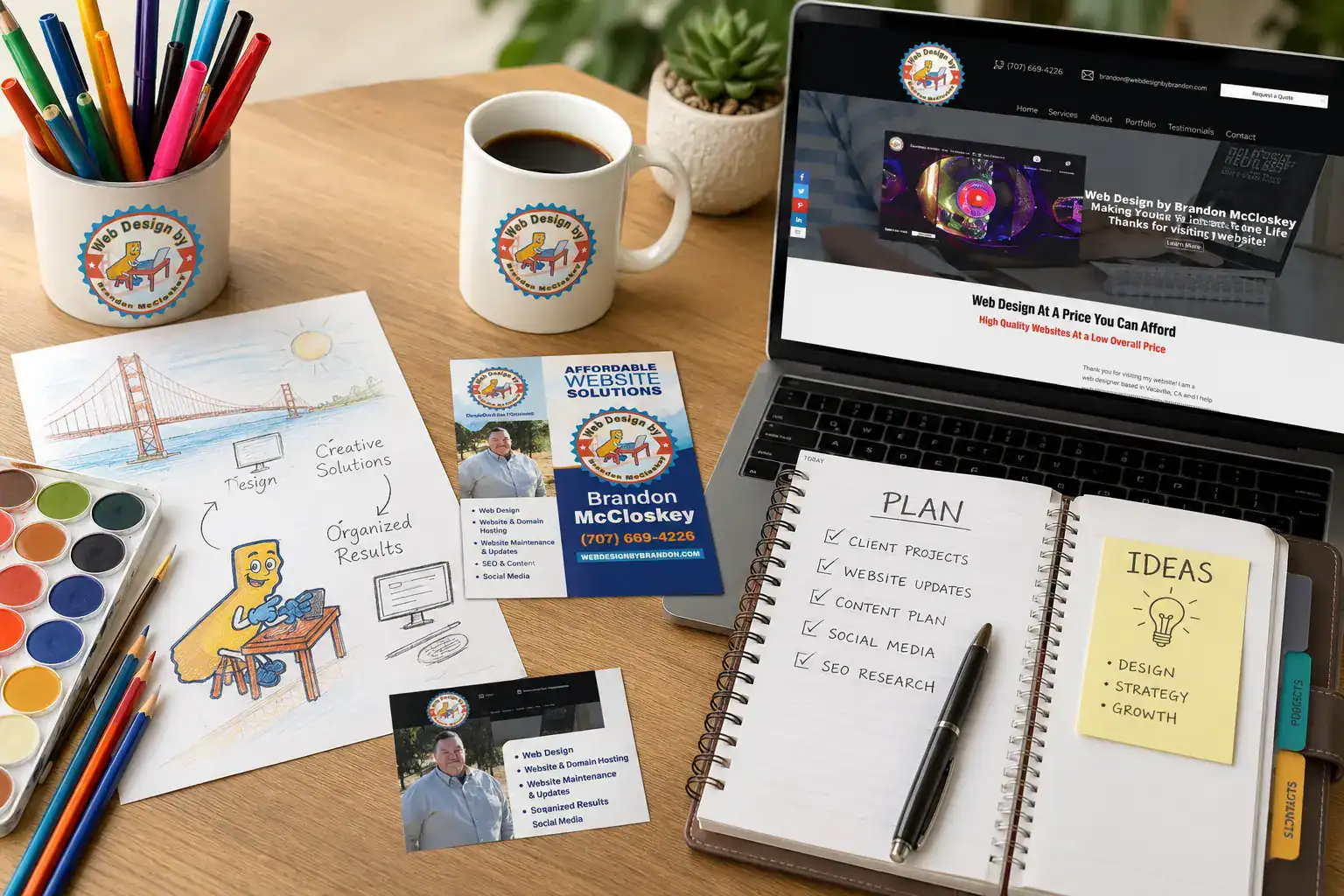
Creative entrepreneurs and independent artists often feel the same friction: the work that sparks ideas can’t thrive when the business side feels foggy or heavy. Balancing creativity and business gets harder when pricing, boundaries, and follow-through live only in the back of the mind, creating stress that shows up in every project. Many independent artists’ business challenges aren’t about talent, they’re about missing business essentials for creatives that make the day-to-day feel predictable. With a steadier foundation for creative career management, creative decisions get clearer and confidence stops depending on the next email.
Quick Summary: Manage the Business, Keep the Spark
- Set pricing confidently with clear packages and boundaries that protect your time and energy.
- Use simple contracts to define scope, timelines, usage, and payment terms before starting work.
- Send clean invoices and follow a consistent payment process to reduce awkward back-and-forth.
- Build a lightweight workflow from inquiry to delivery so projects stay organized and on track.
Track income and expenses simply and market authentically so promotion feels sustainable and aligned.
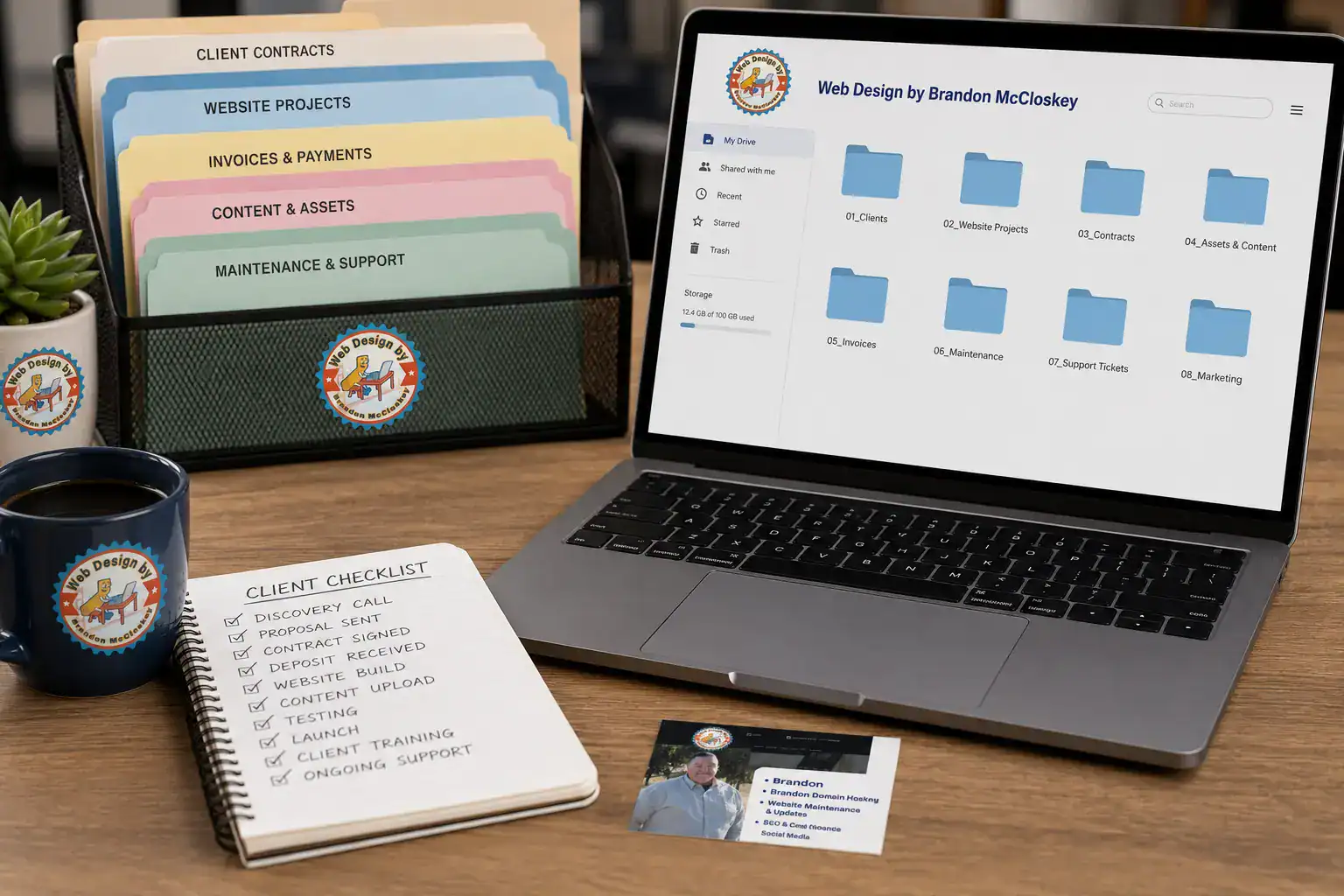
Standardize Your Client Paperwork So It’s Always Findable
Once you’ve got the core building blocks in place, the fastest way to feel calmer day-to-day is knowing exactly where every client document lives. Keep contracts, invoices, receipts, and client communications neatly organized so you can pull up what you need in seconds, whether you’re checking who approved what, confirming a payment, or sorting expenses at tax time. When your paperwork is consistent and easy to find, you stay on top of finances with less mental load, and you spend less time hunting through email threads and downloads folders.
Saving documents as PDFs helps because they’re clean, shareable, and predictable across devices (no formatting surprises). If you have files in different formats, a free online PDF file converter can quickly turn them into PDFs so everything matches and is easy to store. With your paperwork standardized, the next step is building a simple, no-fuss system that keeps the rest of your business running just as smoothly.
Invest in Professional Web Design
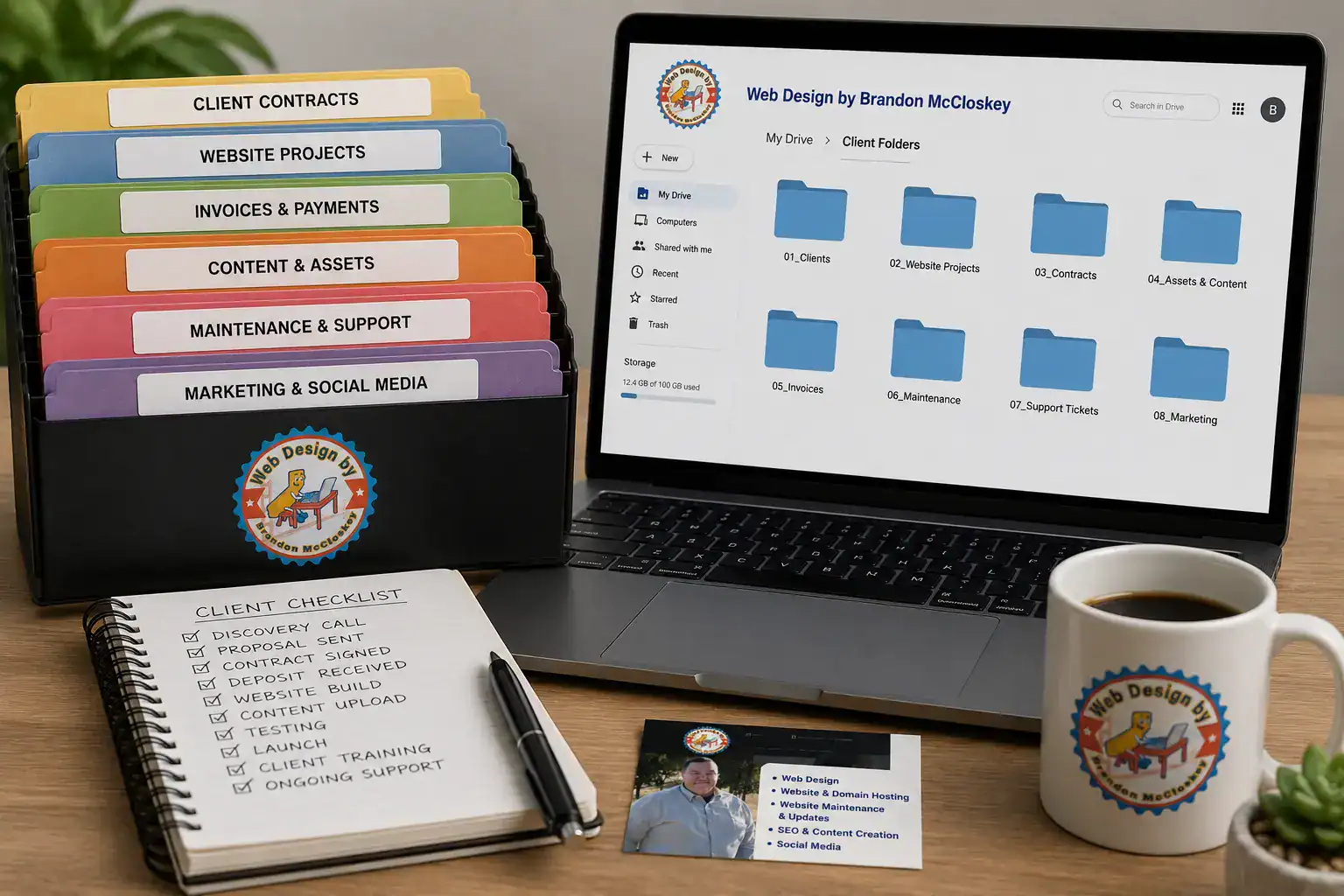
Your website is often the first impression potential customers have of your creative business, making a polished, user-friendly design essential for growth. A professionally designed website can improve credibility, enhance the customer experience, and make it easier for visitors to find information or complete purchases. By working with experienced web design professionals, you can create a site that reflects your brand, performs well across devices, and supports your long-term marketing and business goals.

Set Up a No-Fuss Business System in 5 Practical Moves
A “business system” doesn’t have to feel corporate, it just means you can find what you need, repeat what works, and keep your energy for the actual making. Use the moves below to build a lightweight setup that supports your client paperwork habits and keeps projects (and payments) predictable.
- Price from a simple baseline (then add your creative variables): Start with a “minimum viable rate” you can explain in one sentence: your target monthly income + business costs, divided by the number of billable hours you can realistically work. Then add 2–3 pricing variables you can apply consistently (complexity, usage/licensing, rush timeline). This helps you quote faster and avoids underpricing when a project looks small but has a lot of back-and-forth.
- Use one contract template per offer (and keep it with the client file): Create a core template for each service you sell (e.g., design package, photography session, coaching block) and only edit the scope, timeline, and fee. Make sure every template includes: deliverables, revision/feedback limits, payment schedule, cancellation terms, and a “what you need from the client” section. Save the signed version in the same standardized folder system as your invoices and emails so your paperwork stays “always findable” when questions come up.
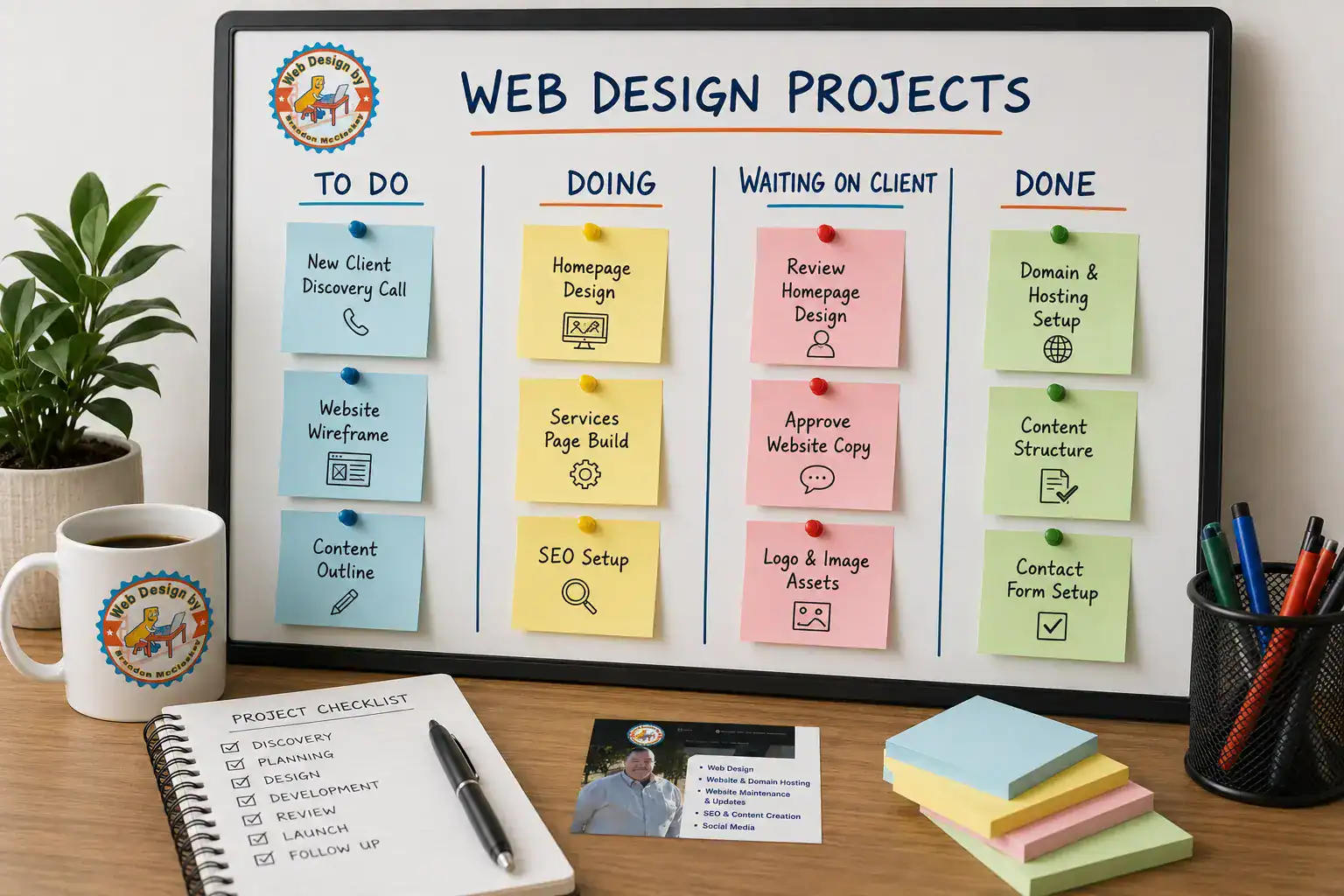
- Build a “one-page workflow” you can reuse every time: Write your process as 6–10 stages from inquiry to final delivery, then add a short checklist under each stage (what you do, what the client does, what file gets saved where). If you want a simple way to visualize work-in-progress, a basic Kanban board can help limit overload; some accounts note it reduced waste dramatically in manufacturing, including claims it cut inventory waste by up to 75% in early Toyota use. Your version can be as simple as “To Do / Doing / Waiting on Client / Done.”
- Start bookkeeping with three categories and a weekly 15-minute habit: Track only (1) money in, (2) business expenses, and (3) taxes set aside. Once a week, match new invoices and receipts to the right client folder and record totals, this is where your standardized paperwork system pays off because everything is already named and stored consistently. If you’re inconsistent, don’t “catch up” all at once; just start from today and work backward one week at a time.
Shape your portfolio around outcomes, and protect time to update it: Choose 6–10 pieces that match the work you want more of, then write a short “micro case study” for each: the client goal, your approach, and the result (even a qualitative win like faster approvals or clearer messaging). Block two protected sessions per month, one for doing deep work (no admin) and one for marketing maintenance (portfolio updates, inquiries, follow-ups). If priorities shift, use the idea behind adaptive portfolio management by adjusting what you feature and what you pursue based on what’s changing in your life, workload, or market.
Habits That Keep Your Business Calm and Creative
Systems only work when they show up in real life, especially on busy weeks. These habits keep your admin light, your decisions consistent, and your creative energy protected long enough for progress to compound.
Weekly Money Snapshot
- What it is: Update totals for income, expenses, and tax set-aside in one place.
- How often: Weekly
- Why it helps: You spot cash-flow issues early and avoid stressful surprises.
Monthly Business Review Reset
- What it is: Run a 30-minute monthly business review to check goals, bottlenecks, and next actions.
- How often: Monthly
- Why it helps: You adjust plans before small leaks become big fires.
Daily Top-Three Plan
- What it is: Choose three outcomes for today, including one creative priority.
- How often: Daily
- Why it helps: You finish meaningful work instead of collecting endless loose ends.
“Waiting On” Sweep
- What it is: List every open question and send one clear follow-up message.
- How often: Twice weekly
- Why it helps: You reduce stalled projects and protect your schedule from ambiguity.
One Tiny Upgrade
- What it is: Improve one reusable asset, like an email reply, checklist, or intake form.
- How often: Weekly
Why it helps: Median or mean times show habits take time, so small upgrades stick.
Turn Creative Work Into Calm, Confident Business Routines
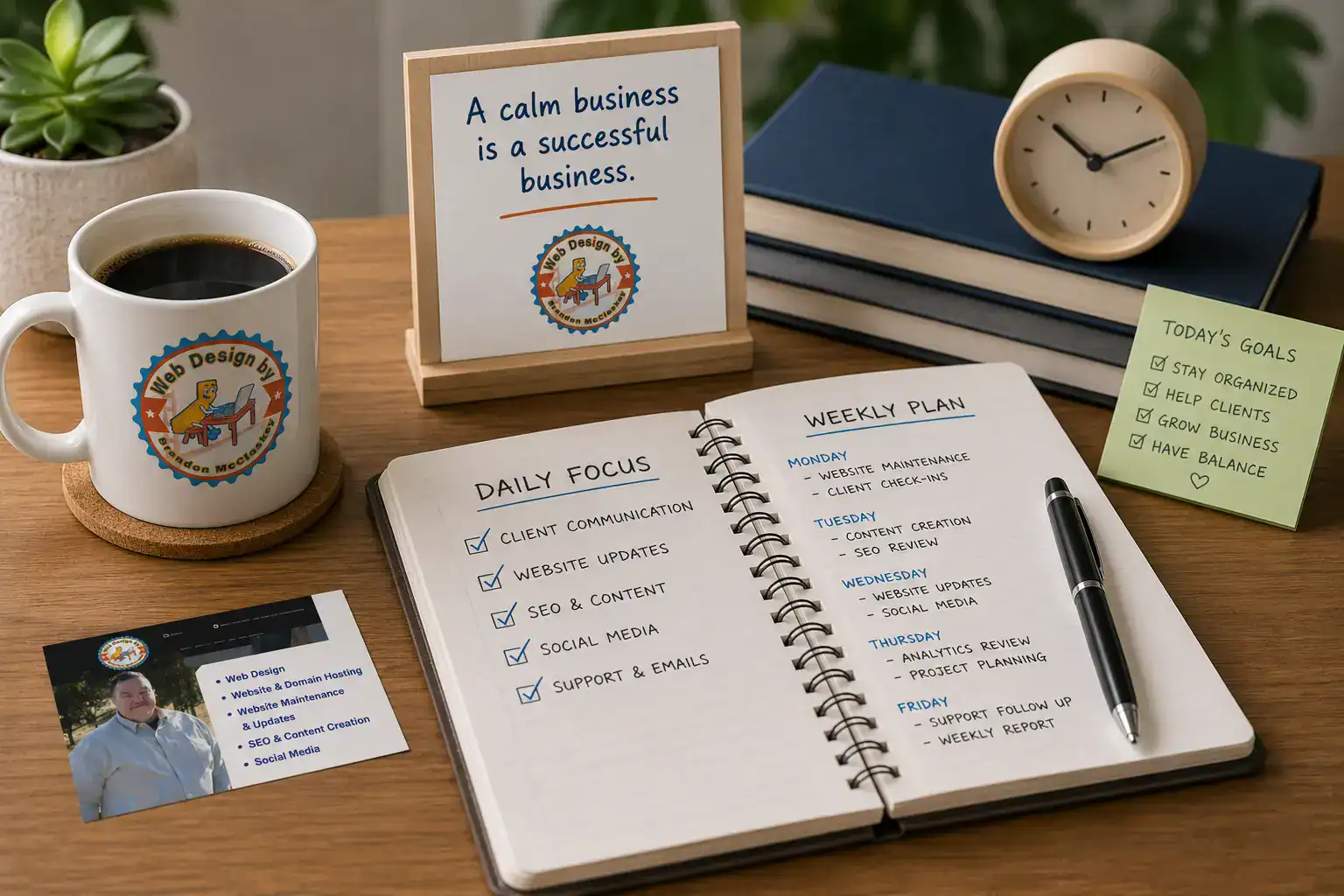
Running a creative business often pulls attention between making great work and managing the parts that keep it sustainable. The steadier path is an entrepreneurial mindset built on simple systems, foundational business tools, and ongoing skill building for creatives, then turning those systems into repeatable habits. When that approach sticks, creative career growth feels less like chaos and more like business confidence backed by clear numbers, consistent workflow, and fewer last-minute surprises. Build the business that protects your creativity, not the one that competes with it.