
How to Design an HVAC Website That Converts Local Traffic into Sales
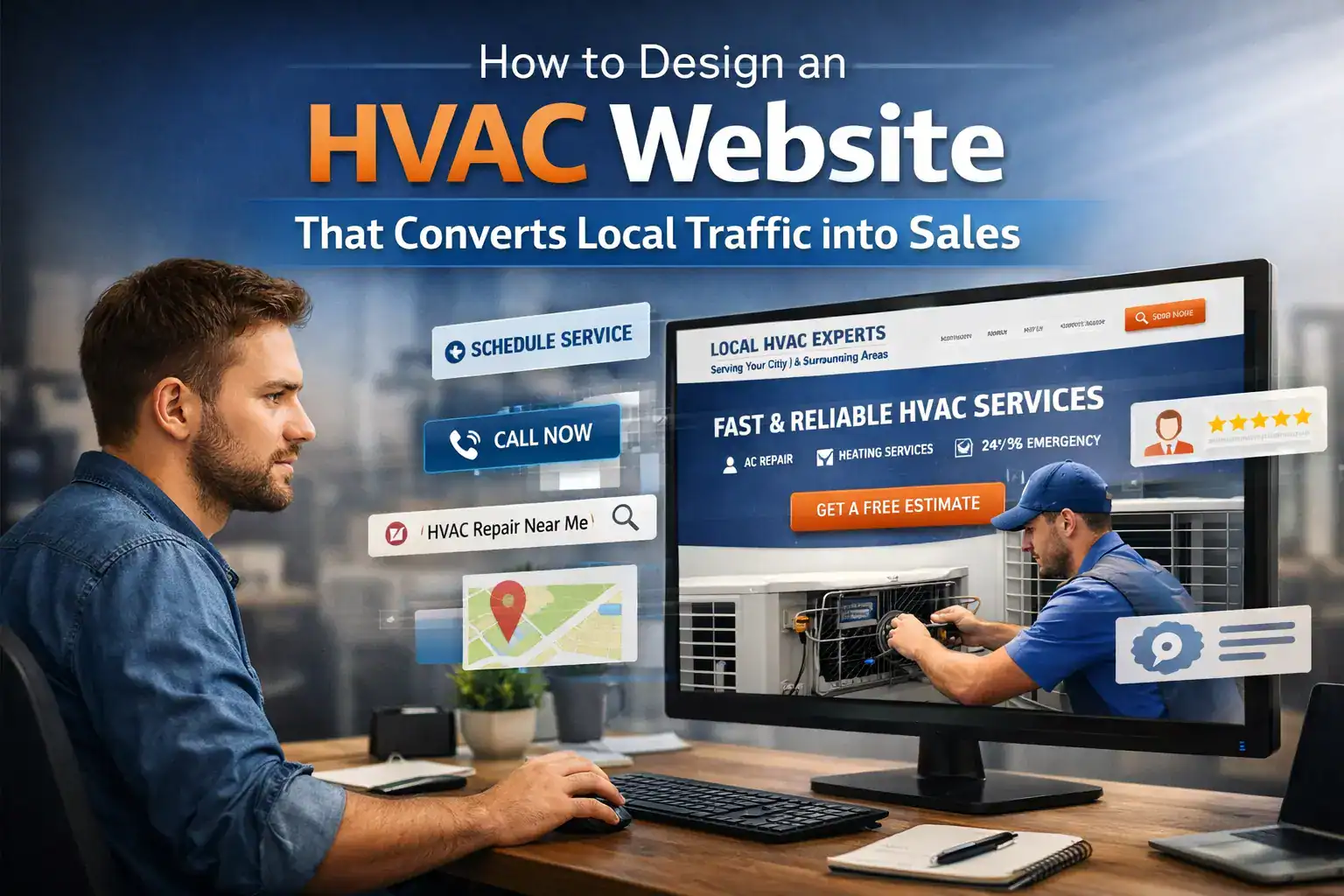
In an increasingly competitive digital environment, an HVAC business cannot rely solely on having a basic online presence. Today’s customers are more informed, more selective, and often make quick decisions based on the quality and clarity of a company’s website. Your website is no longer just a digital brochure, it functions as your most powerful marketing and sales tool. When designed strategically, it can attract local visitors, build trust instantly, and guide potential customers toward taking meaningful action.
Designing a high-converting HVAC website requires a thoughtful combination of user-focused design, compelling content, local search visibility, and trust-building elements. Each component plays a vital role in transforming casual visitors into paying clients. This article explores how to create a website that not only attracts local traffic but also turns that traffic into consistent revenue for your HVAC business.
Understanding Local Customer Behavior and Search Intent
The foundation of any successful HVAC website begins with a deep understanding of your target audience. Most HVAC customers are not browsing casually. They are often dealing with urgent situations such as a malfunctioning air conditioner during extreme heat or a heating system failure in colder months. This urgency shapes their behavior, making them highly focused and ready to act quickly.
Local users typically search for services with clear intent, using phrases that include their location or immediate needs. They expect to find relevant, trustworthy information within seconds. If your website does not immediately communicate that you can solve their problem, they will quickly move on to another provider.
To effectively meet these expectations, your website must clearly highlight your services, service areas, and value proposition right from the homepage. Instead of vague messaging, use descriptive and location-specific language that reassures visitors they are in the right place. For example, mentioning the specific cities or neighborhoods you serve creates a strong sense of relevance.
Additionally, your content should address common customer concerns, such as pricing transparency, response time, and service reliability. When visitors feel understood and see that your business aligns with their needs, they are far more likely to stay on your site and explore further.
Creating a Seamless User Experience That Encourages Action
User experience is one of the most critical factors in determining whether a visitor becomes a lead or leaves your website. A well-structured and visually appealing site creates a sense of professionalism and reliability, while a cluttered or confusing layout can immediately erode trust.
An effective HVAC website should guide visitors effortlessly through the information they need. This begins with a clean and organized homepage that presents key sections in a logical order. Important elements such as your services, customer testimonials, and contact information should be easily accessible without requiring excessive scrolling or navigation.
Mobile optimization is particularly important in today’s landscape, as a significant portion of local searches happens on smartphones. A responsive design ensures that your website adapts smoothly to different screen sizes, providing a consistent and user-friendly experience across all devices. If users encounter slow loading times, broken layouts, or difficult navigation on mobile, they are unlikely to stay.
Speed is another essential factor. A fast-loading website not only improves user satisfaction but also contributes to better search engine rankings. Optimizing images, minimizing unnecessary scripts, and using efficient hosting solutions can significantly improve performance.
Interactive elements such as click-to-call buttons, quick contact forms, and live chat options can further enhance the user experience. These features make it easy for visitors to take immediate action, especially when they are in urgent need of HVAC services.
Developing High-Impact Content That Drives Conversions
Content is the voice of your website, and it plays a central role in influencing customer decisions. High-quality content does more than provide information, it builds trust, demonstrates expertise, and motivates visitors to take the next step.
Your homepage should begin with a strong and clear headline that communicates exactly what you offer and who you serve. This headline sets the tone for the entire user experience and should immediately capture attention. Supporting text should expand on your services, emphasizing the benefits customers can expect.
Each service page should provide detailed and well-structured information about your offerings. Instead of simply listing services, explain how each service works, what problems it solves, and why your company is the best choice. Use descriptive language that helps customers visualize the process and understand the value you provide.
Strategically placed calls to action are essential for guiding users toward conversion. These should be clear, compelling, and action-oriented, encouraging visitors to schedule a service, request a quote, or contact your team. Placing these calls to action at key points throughout the page ensures that users always know what to do next.
Trust-building elements also play a significant role in conversion. Customer testimonials, before-and-after project examples, certifications, and guarantees all contribute to building confidence. Even mentioning specialized services such as air duct cleaning can subtly demonstrate the breadth of your expertise and attract a wider range of potential clients.
Optimizing for Local SEO to Capture High-Intent Traffic
No matter how well-designed your website is, it will not generate results if it does not attract the right audience. Local search engine optimization is the key to ensuring that your website appears in front of potential customers who are actively searching for HVAC services in your area.
Local SEO begins with keyword optimization. Incorporating location-based keywords naturally into your content helps search engines understand where your business operates. These keywords should appear in your page titles, headings, and throughout your content in a way that feels organic and relevant.
Your business information must be consistent across all platforms, including your website and online directories. This includes your name, address, and phone number. Consistency builds trust with both search engines and users.
Creating location-specific pages can further enhance your visibility. For example, if you serve multiple areas, dedicating individual pages to each location allows you to target more specific searches and provide tailored information.
Customer reviews are another powerful component of local SEO. Encouraging satisfied clients to leave positive reviews not only improves your online reputation but also increases your visibility in search results. Including these reviews on your website reinforces credibility and helps potential customers feel more confident in choosing your services.
Adding a blog section to your website can also support your SEO efforts. Publishing informative articles about HVAC maintenance, seasonal tips, and common issues can attract additional traffic and position your business as a trusted authority in the industry.
Building Trust Through Professional Design and Strong Branding
Trust is a decisive factor when it comes to converting website visitors into customers. HVAC services often involve significant investments, and customers want to feel confident that they are choosing a reliable and experienced provider.
Your website design should reflect professionalism at every level. A consistent color scheme, clean typography, and high-quality images create a polished and cohesive appearance. Avoid overly complex designs that may distract from your message or overwhelm the user.
Branding plays a crucial role in shaping how customers perceive your business. Your logo, tagline, and overall tone should communicate your values and expertise. Consistency across all pages reinforces your identity and helps build recognition.
An engaging “About Us” page can further strengthen trust by showcasing your story, your team, and your experience. Personalizing your business makes it more relatable and helps customers feel a connection before they even make contact.
Security is another important consideration. Features such as SSL certificates and secure forms reassure visitors that their information is protected. This is especially important when users are submitting personal details through your website.
Conclusion: Transforming Your Website into a Reliable Sales Engine
Designing an HVAC website that successfully converts local traffic into sales requires a strategic and well-rounded approach. It is not just about creating an attractive design, it is about delivering a seamless experience that meets customer needs, builds trust, and encourages action at every stage.
By understanding your audience, optimizing user experience, creating compelling content, and implementing effective local SEO strategies, you can turn your website into a powerful tool for business growth. Every detail, from layout to messaging, should work together to guide visitors toward becoming loyal customers.
Now is the perfect time to evaluate your current website and identify opportunities for improvement. Focus on enhancing both functionality and content to create a user experience that stands out in your local market.